Renovations are complex, emotionally charged, and expensive. The good news is that most of the costly mistakes homeowners make are entirely avoidable. Here are the most common ones to watch out for before you break ground.
Changing your mind mid-construction
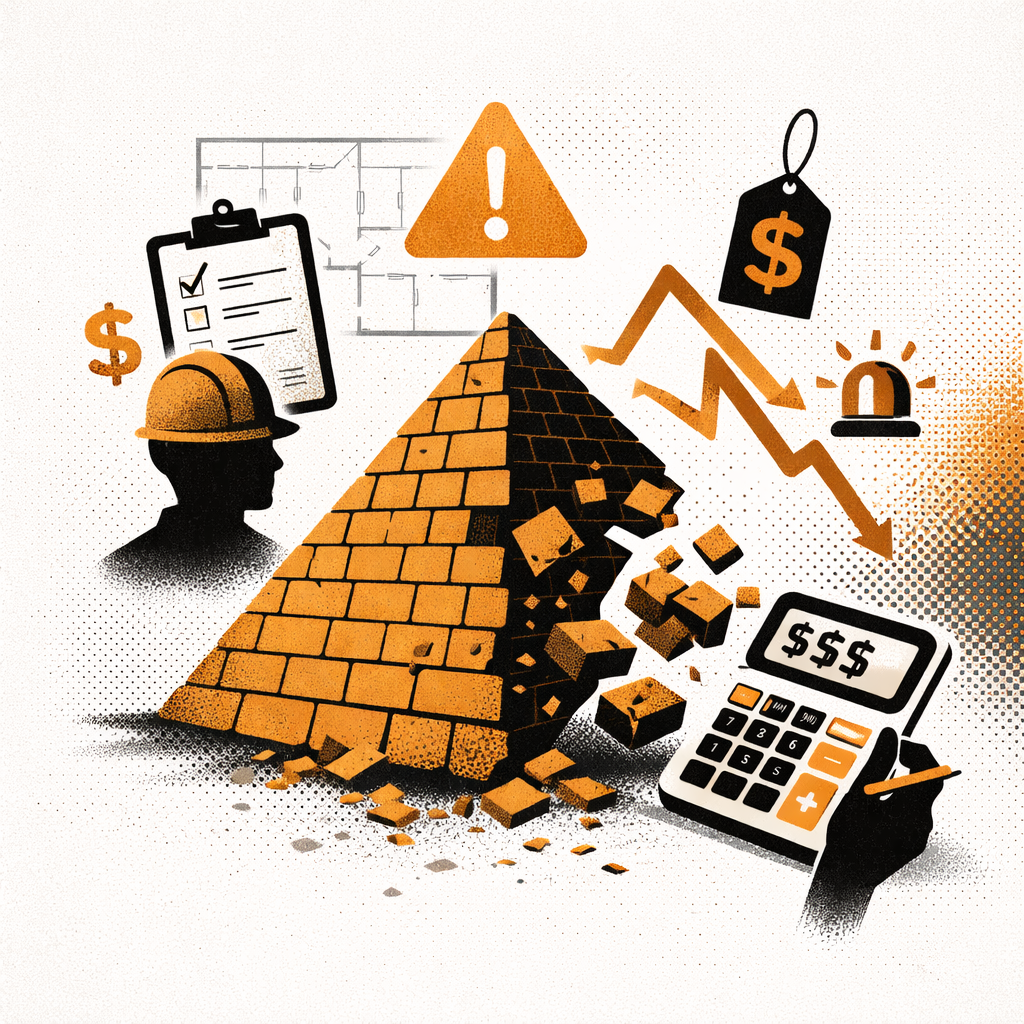
This is the single biggest mistake a homeowner can make during a renovation. Once construction has started, changing your mind isn't just an inconvenience. It can mean resubmitting drawings for new approvals, waiting on revised permits, and grinding construction to a halt while everyone waits for a resolution. General contractors work on tight schedules and thin margins, and frequent changes strain that relationship in ways that are hard to recover from. Think of the design process like building a pyramid. If you pull out one of the cornerstones at the base and rethink it, the whole structure above it collapses and has to be rebuilt. The antidote is going through the design phase at the right pace. Sit with decisions. Sleep on them. Make sure you are genuinely confident in each choice before it gets locked in, because once construction begins, the cost of changing your mind goes up dramatically.
Choosing the lowest bidder without understanding why
Construction is a service industry, and like any service industry, you often get what you pay for. The lowest bid isn't always the best bid. In fact, it can be a red flag. A low bidder may have missed something in the drawings, misinterpreted the scope of work, or simply priced the job in a way that doesn't reflect reality. An experienced architect reviewing those bids can detect these shortcomings and flag them before you sign a contract. One of the most important things to look for is whether the contractor's proposal is directly tied to the construction documents and permit drawings. If it isn't, you are setting yourself up for an endless stream of change orders as the contractor works to get paid for everything that was actually designed but not explicitly included in their contract. That gap between what was designed and what was priced is where budgets quietly spiral out of control.
Not getting pricing check-ins early enough
Waiting until drawings are fully complete to get contractor pricing is a mistake that can send you back to the drawing board at the worst possible time. Getting rough pricing check-ins early in the design process, before everything is finalized, allows you to course correct while changes are still easy and inexpensive to make. Allowances are a useful tool here too, letting you hold a placeholder for things like fixtures and finishes while the broader scope gets priced out. This keeps the project moving without locking in every detail prematurely, and it gives you a much more accurate picture of where the overall budget is heading before it's too late to adjust.
Leaving finish selections to the contractor
If you are working with an architect who provides full specifications, from floor plan to grout color and everything in between, those selections will be delivered to your contractor in a coordinated, organized way and on a timeline that keeps construction moving. If you're not working with a designer and you're leaving those decisions to your contractor, you are asking the wrong person. Contractors are skilled builders, not designers, and they don't want to be put in that position either. Leaving selections unmade or undefined until the contractor is standing in front of you asking what tile you want is a reliable way to slow down a job and end up with decisions you'll regret.
Not budgeting for the unexpected
Renovations, especially in older homes, have a way of revealing things that were never part of the plan. Mold behind a wall. Rot in a subfloor. Plumbing that was done incorrectly decades ago and now needs to be addressed. None of these things are anyone's fault, but all of them cost money and time. Building a contingency of ten to twenty percent into your overall budget isn't pessimism. It's just good planning.