When most homeowners think about saving money on a renovation or new build, they immediately jump to material choices. Should we go with the cheaper countertops? Can we find a less expensive tile? What if we downgrade the fixtures?
These questions aren't wrong, but they're looking in the wrong place. The biggest cost savings on a project don't happen at the finish selection stage. They happen much earlier, in how you approach the design, how you build your team, and how well you understand the process itself.
Here are the three strategies that make the most financial impact on a project, and none of them involve compromising on quality.
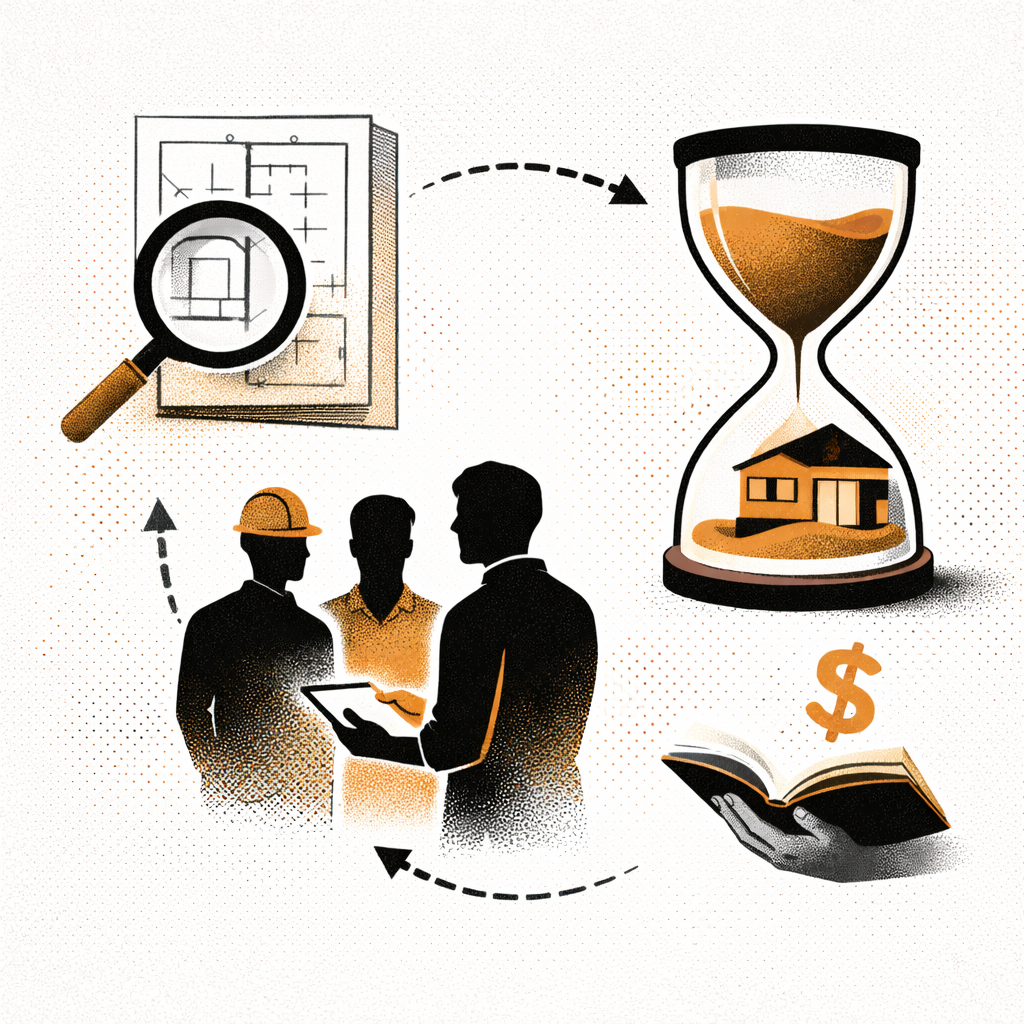
Strategy 1: Get Intentional About Your Design
When you switch on what I call "design detective mode" and really study your life, your habits, and your ideal future lifestyle, something interesting happens. You often need less house than the real estate checklist suggests. Designing for how you actually live, not how a display home is laid out, can save tens or hundreds of thousands of dollars over the life of a project. And it usually creates a home that feels and functions better too. Bigger does not equal better. A thoughtfully designed 1,800 square foot home will outperform a poorly planned 2,500 square foot home in both cost and livability. When you design intentionally around your real needs, you stop paying for square footage you don't use and start investing in spaces that actually improve your day to day life.
Strategy 2: Build a Collaborative Team Early
The most expensive projects are often the ones designed in isolation. When your architect, builder, and key consultants collaborate early, you can optimize construction methods, material choices, energy performance, structural systems, budget, and design alignment before anything is locked in. Instead of designing something beautiful and only later discovering it can't be built within your financial comfort zone, team collaboration saves money by surfacing constructability issues, cost implications, and smarter alternatives while changes are still easy and inexpensive to make. This is why I bring contractors into the process during design development, not after permit drawings are complete. Their input on how things are built, what materials make sense for the project, and where the budget pressure points are is invaluable, and it protects you from costly surprises later.
Strategy 3: Be Informed About the Whole Project Process
So much money falls into the holes that assumptions create. Assumptions about cost. Assumptions about timelines. Assumptions about who is responsible for what. Assumptions about what "is included." Education is not an optional extra. It's one of the strongest financial protection tools you have. When you understand the real sequence of a project, the decisions that need to be made, and the implications of those decisions, you make choices earlier, more confidently, and with fewer expensive surprises. Clarity saves money. Confusion costs it. This is why I walk clients through the entire process upfront, not just the design phase. When you know what's coming, you're not scrambling to make rushed decisions under pressure, and you're not paying for changes that could have been addressed weeks or months earlier.
The Bottom Line
The biggest and best savings rarely come from cutting quality and compromising as you head into your build. They come much earlier, from designing intentionally, collaborating early, and educating yourself properly. That's where the biggest financial impact is made. Not in the tiles. Not in the fixtures. But in the strategy and approach that shapes your whole project.