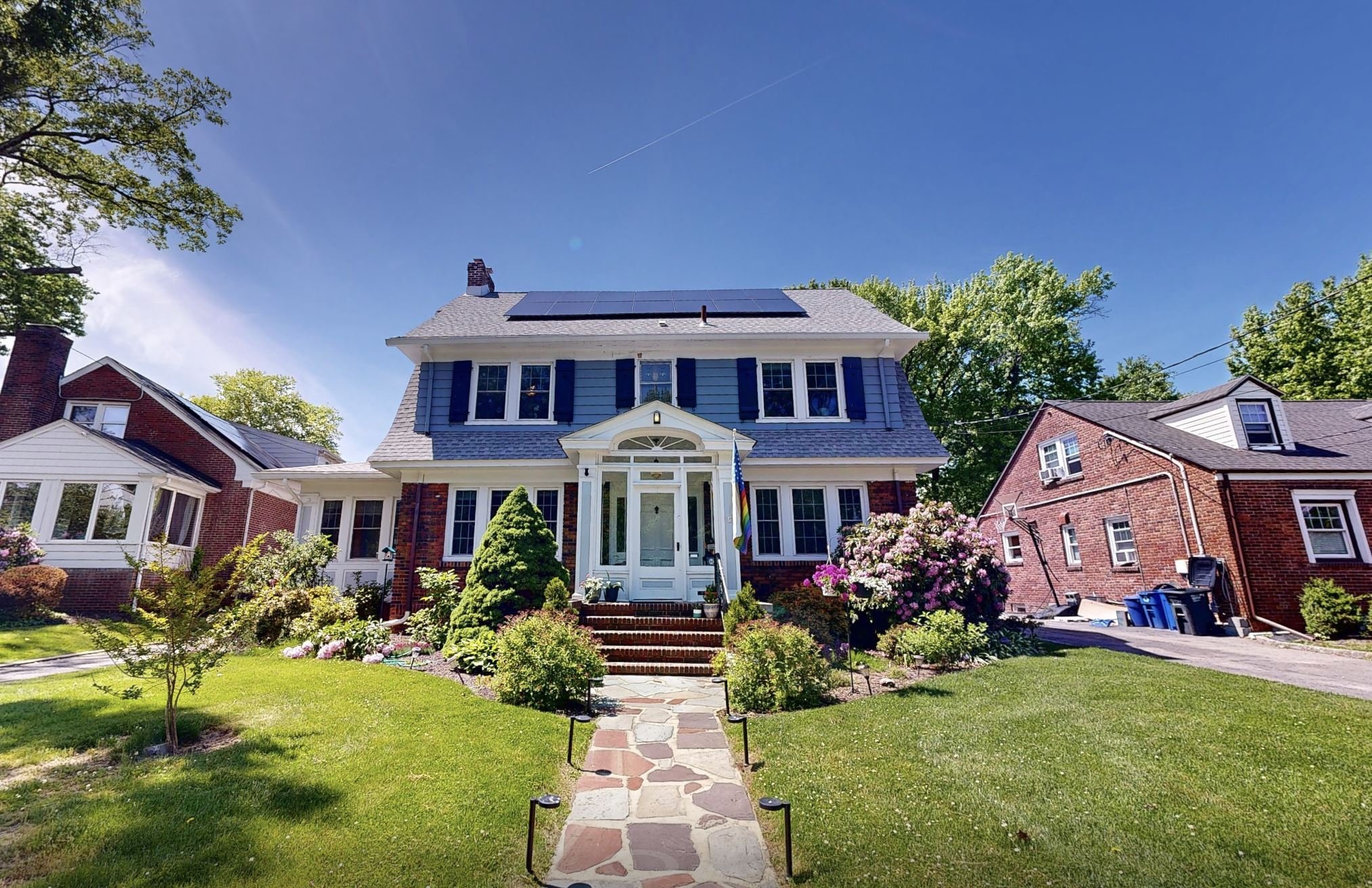
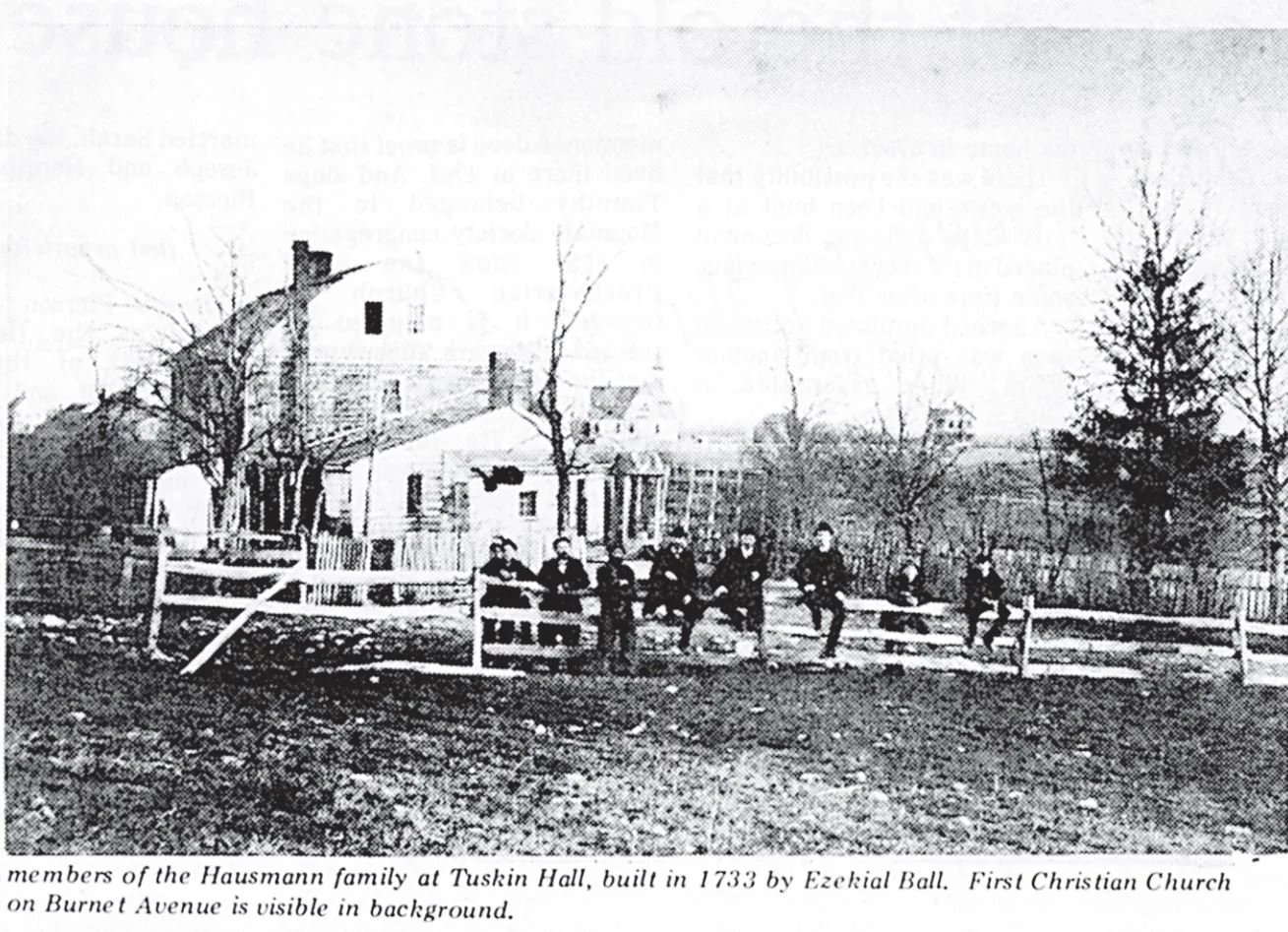
Historic 1929 home overlooking a neighborhood park with deep roots in early American history. The original interior, while charming, hadn't evolved with how the family actually lived.
The 1990s kitchen renovation left it disconnected from the dining room and sealed off from natural light. Storage was scattered and inefficient. The primary suite felt cramped for long-term comfort.
The renovation opens the ground floor into a generous, light-filled kitchen that connects directly to the dining room for both everyday meals and entertaining. A new copper-screened addition extends the home's character outward, creating seamless indoor-outdoor living while respecting the home's architectural era.
Thoughtful storage transforms the rear hallway into functional space for coats, bags, shoes, and the rhythms of family life. Closets, shelving, and an organized entry drop zone make the everyday transitions easier.
Upstairs, the primary suite was reimagined with a new vestibule entry for privacy and generous closets positioned for acoustic buffer. A spacious bathroom was designed around accessibility and ease. The kind of space that serves you well whether you're 35 or 85.
The result: a home that still honors its historic character but finally works the way a contemporary family needs it to.
Architecture: TIGHT HOUSE
Interior Design: TIGHT HOUSE
Status: In Design