This is part 3 of a 5-part series on what you need to know before embarking on a home project. Catch up on parts 1 and 2 if you missed them.
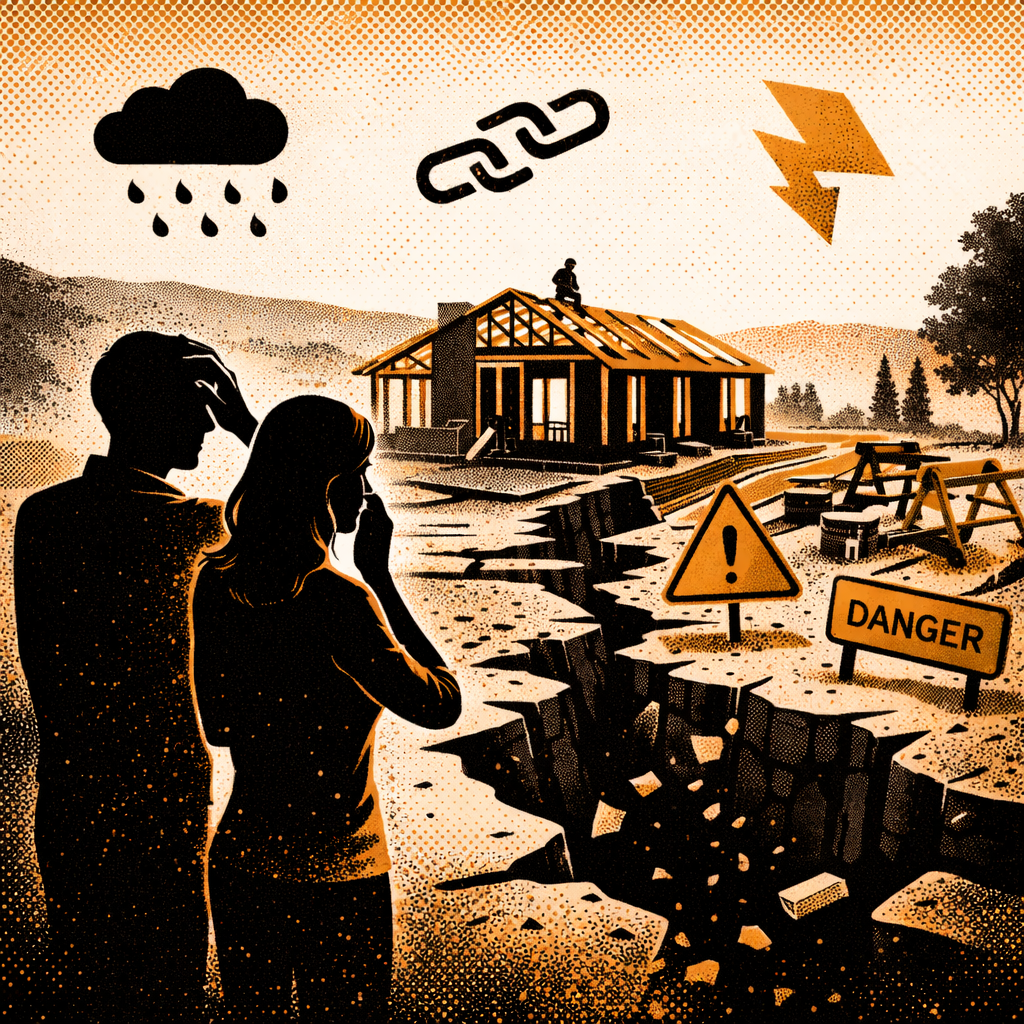
The third thing you should know before embarking on a home project is to expect the unexpected. That's a polite way of saying that things are not going to go according to plan.
At some point during construction, there's going to be a bump in the road. Something will happen, and everyone will have to adjust and problem-solve.
What Goes Wrong
In construction, this happens quite often. There's a site condition no one foresaw…something no one could have possibly seen. Now it has to be dealt with.
Or there's a mistake in the field. Or a material shortage. Or a pandemic, and windows are going to take six months instead of three.
This goes back to the marathon analogy. During a marathon, there are going to be bumps and bruises along the way.
The Right Mentality
A big part of having a successful project is having the right mentality so that when things don't go right, you don't freak out.
You say: "I was told upfront that something wasn't going to go right, and this is one of those moments. Okay, how are we going to deal with it?"
It's great to warn people before they start: things are going to go wrong. Be prepared. One day you're going to get an email from somebody saying something's going wrong. Don't be surprised. It happens on every project.
Don't React from Fear
Having the right emotional response is very important. You don't want to find a solution based on a fear reaction or an impulse.
First, stay positive. There is a solution for every problem.
The emotional aspect is especially important during construction because that's when all the money is being spent. There's a lot at stake. Houses are tough because if you're 50%, 60%, or 70% through construction and it all stops, it doesn't matter—the house needs to be done in order for it to be worth anything.
It is a stressful time. I acknowledge that. But it's really critical to maintain composure throughout.
Your Responsibilities
As a client, you have responsibilities during this process:
Show up to meetings on time. Don't miss meetings. Don't just not show up. It's rude.
Be kind to the people you're working with. That includes people on site you might not talk to directly: the fabricators, the workers, the laborers.
Make decisions you're sure of.
Be professional.
These things matter more than you think, especially when problems arise.
Budget for It
Expecting the unexpected also means you need to have extra money set aside—contingencies. Typically, it's around 10% of the construction cost, though that varies.
You should have extra money put aside just in case, because you're going to have to pull from it at some point.
And have some flex room in your schedule as well. Things take longer than expected. Build that buffer in from the start.
It's Part of the Process
The reality is that construction is unpredictable. Old houses have hidden conditions. Supply chains shift. Weather delays happen. People make mistakes.
None of this means your project is doomed. It just means you need to be prepared to adapt.
Stay calm. Trust your team. Solve the problem. Move forward.
That's how good projects get done.
Next in the series: Part 4 - Asking Questions Along the Way